People often neglect small changes in their bones and joints. Stiffness in the knee, a bend in the leg or pain following a walk may be attributed to fatigue, ageing or a hectic day. However, in some cases such symptoms may be indicators of bone or joint deformities.
Not all bone deformities happen instantly. Sometimes, a deformity can occur gradually over several years. While at other times, it can happen after an injury, a fracture, arthritis or childhood conditions. Due to the gradual nature of the development of a bone or joint deformity. Most people normally seek medical help when their condition starts to affect their normal functioning due to pain and problems with movement.
What Exactly Is a Bone Deformity?
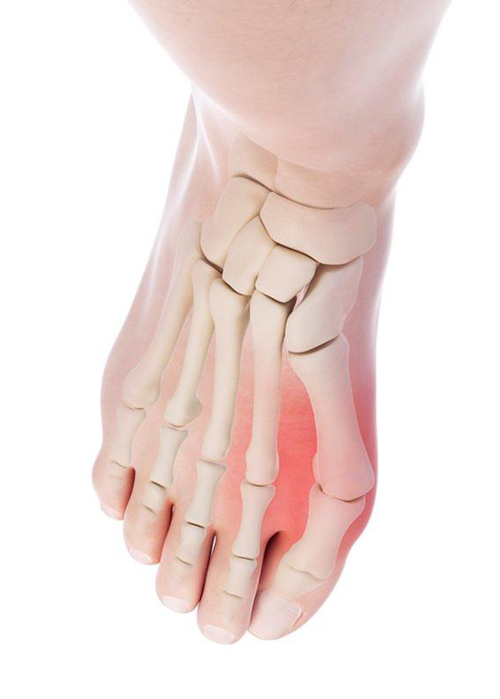
A bone deformity is an abnormal change in the shape, alignment, position or structure of a bone or joint. Some deformities are present from birth, while others develop later because of injuries, fractures, arthritis, growth related conditions, infections or changes in the way a joint functions.
Some examples include:
- Bow legs
- Curvature of the spine
- Unequal leg length
- Abnormally positioned fingers or toes
- Foot deformities
- Joint misalignment following an old fracture
- Changes in limb alignment caused by advanced arthritis
A deformity does not always mean that you need surgery. Some people may get better with physiotherapy, braces or by making a few changes to their daily activities. In other cases, the doctor may simply keep an eye on the condition. It all depends on what has caused the deformity and how much it is affecting your movement.
What Are the Early Signs of a Bone Deformity?
A deformity can sometimes be noticed simply by looking at the way you stand or walk. Other signs may only become clear when you perform certain movements.
Watch out for:
- One leg appearing shorter or positioned differently
- Knees or ankles looking uneven while standing
- A visible bend or change in the shape of a limb
- Walking with a limp
- Shoes wearing out more on one side
- Difficulty bending or straightening a joint
- Repeated swelling around a joint
- Pain that increases with walking or physical activity
- Changes in posture or walking pattern
- Difficulty performing movements that were previously easy
One symptom alone does not necessarily mean that you have a bone deformity. However, persistent or progressively worsening changes deserve professional evaluation.
Why Can Knee Pain Sometimes Be Linked to Bone Alignment?
Knee pain does not always arise from the knee itself. The hip joint, thigh bone, shin bone, ankle joints and surrounding muscles can affect the distribution of weight down the leg.
Any misalignment in the leg will lead to some sections of the knee bearing more weight than others. This can cause degeneration of the cartilage over time and joint injury. Therefore, treating the pain was not enough for some people. The best thing would be a thorough orthopaedic evaluation that determines the complete alignment of the leg and identifies any underlying deformities causing the pain.
For patients suffering from severe knee joint injury who need surgical solutions, seeking advice from a Knee Replacement Surgeon Hyderabad can help in determining the most appropriate treatment option.
How Can a Bone Deformity Affect Your Daily Life?
The impact of a deformity is not limited to pain. It can gradually change the way you perform simple activities.
You may find yourself:
- Avoiding stairs because of discomfort
- Reducing your walking distance
- Struggling to stand for long periods
- Changing your walking style to avoid pain
- Having difficulty finding comfortable footwear
- Avoiding exercise or recreational activities
- Depending more on family members for certain activities
A change in the way you walk can also affect other parts of your body. When the legs are not properly aligned, you may start walking differently without even noticing it. Over time, this can put more pressure on the hips, ankles, lower back or even the other leg.
When Should You Consult a Bone Deformity Specialist?
There is no need to wait until a deformity becomes severe before visiting a doctor. It may be necessary to see a doctor if the deformity persists, progresses or interferes with normal functioning.
You should consider seeing an orthopaedic specialist if:
- Pain continues for several weeks despite rest or basic treatment
- You notice visible bending, twisting or asymmetry
- Your walking pattern has changed
- A joint is becoming increasingly stiff or difficult to move
- You have difficulty performing everyday activities
- An old fracture appears to have healed with abnormal alignment
- A child has an unusual walking or standing pattern
- The shape or position of a limb appears to be changing over time
Early assessment does not necessarily mean early surgery.
Can an Old Injury Cause a Bone Deformity?
Yes. A serious fracture or injury can sometimes heal in an abnormal position. This may alter the alignment of the affected limb and change the way forces travel through nearby joints.
You may notice:
- Persistent limping after a fracture has healed
- One limb appearing shorter
- Ongoing pain or stiffness
- Difficulty putting normal weight on the affected side
If these changes remain after an injury, they should not simply be accepted as a permanent part of recovery. An orthopaedic assessment can determine whether the bone has healed correctly and whether further treatment is needed.
Can Arthritis Lead to Bone and Joint Deformity?
Yes, advanced arthritis can gradually affect joint alignment and structure. As cartilage becomes damaged, the normal movement and distribution of pressure within the joint can change.
This may lead to:
- Persistent joint pain
- Stiffness
- Swelling
- Reduced movement
- Difficulty walking
- Changes in leg alignment
What Happens During a Bone Deformity Consultation?
A specialist will first understand your symptoms and how they affect your daily activities. Your medical history, previous injuries, childhood problems and progression of the deformity may also be discussed.
The examination may include:
- Checking posture and limb alignment
- Observing your walking pattern
- Measuring joint movement
- Assessing muscle strength and stability
- Comparing both limbs
- Reviewing previous medical or surgical history
- Ordering X-rays or other imaging when necessary
The purpose is not simply to identify where the pain is. It is to understand the underlying mechanical problem and how it is affecting your movement.
Does Every Bone Deformity Need Surgery?
No. The treatment depends on the cause, severity, age of the patient, symptoms and effect on function.
Depending on the condition, treatment may involve:
- Observation: Some mild deformities may only require regular monitoring.
- Physiotherapy: Exercises can help improve muscle strength, flexibility, balance and movement.
- Bracing or support: Certain conditions may benefit from appropriately selected supports.
- Lifestyle changes: Weight management, activity modification and appropriate exercise may reduce stress on affected joints.
- Corrective surgery: When a deformity significantly affects function or causes progressive joint damage, surgery may be considered.
The treatment decision should always follow proper clinical assessment rather than being based only on the appearance of the deformity.
Final Thoughts
Not every bone problem starts with pain. Sometimes you first notice that something is a little different. You may be walking differently, your knee may not look quite straight or a joint may feel stiff when you move it. The leg itself can also look different in some cases. You might not think much of these changes at first, especially if they are not stopping you from doing your daily work.
There is no need to wait until the problem starts making everyday activities difficult. Having it checked earlier can give a clearer idea of what is wrong and how much it has affected the bone or joint. It also helps the doctor decide what kind of treatment may be needed.
If you have noticed a change in your walking, the position of your leg or the movement of a joint, Dr Kasha can examine you and work out what could be causing the problem.
FAQs
What are the common signs of bone deformity?
Visible changes in bone or joint alignment, difficulty walking, limping, stiffness, uneven limb length and restricted movement can be possible signs.
Can a bone deformity develop after a fracture?
Yes. A fracture that heals in an abnormal position can sometimes change limb alignment and affect normal movement.
Does every bone deformity require surgery?
No. Some conditions can be managed with observation, physiotherapy, braces, lifestyle changes or rehabilitation. Surgery is considered when clinically appropriate.
Can arthritis cause changes in bone alignment?
Yes. Advanced arthritis can alter joint structure and alignment, sometimes resulting in progressive deformity, pain and difficulty walking.
When should I see a bone deformity specialist?
You should consider an evaluation when a deformity is worsening, pain persists, movement becomes restricted, walking changes or an old injury has left the limb visibly misaligned.
Why Choose Dr. Srinivas Kasha?

Dr Srinivas Kasha is an experienced orthopaedic surgeon with over 15 years of experience in successfully performing Total Joint Replacement Surgeries
We offer the most advanced technology at a world class facility for right diagnosis & treatment care
By incorporating the most advanced techniques & technologies, we ensure best possible outcomes for all our patients.