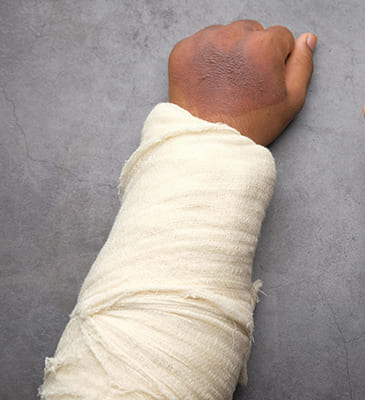
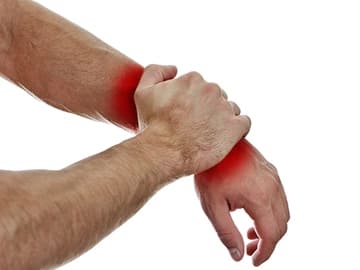
Comprehensive Care for Hand and Wrist Trauma

Best orthopedic doctor near me

Has your wrist or fingers ever hurt when you tried to open a jar or send a text message? When things seem wrong, your hand or wrist is alerting you to it. Damage to this part is more common than you think and even a slight twist or tumble will leave a mark on your life that you could not have predicted. The most wounds are cured by proper treatment. Such a thorough assessment with an orthopedic can recover.

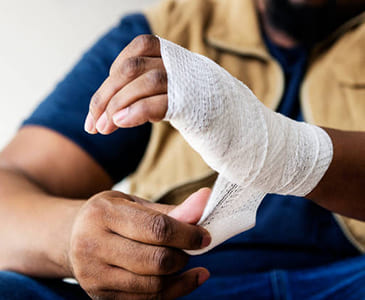
Common Types of Hand and Wrist Injuries

Hands and wrists are tender. They may get injured in many ways:

  • Fractures: Bones can crack or break and they may be invisible. The slight type of fracture to your finger and a wrist would make it difficult to get through your daily work.

    Popping joints create pain and look strange. Their restoration to normal is facilitated by prompt therapy.

  • Tendon and Ligament Injuries: It is the tendon and ligament that gives you grip in the hand and makes the fingers flexible. It is painful to write, to carry a cup or even to shake hands when crying.

  • Nerve Injuries: Nerves send messages of movement and sensation. Trauma may result in numbness, weakness or tingling. You may have your hand going numb (falling asleep longer than usual).

Orthopedic Hip Specialist
Orthopedic Surgeons

Causes of Hand and Wrist Trauma

Accidents and Falls: Most injuries occur when one instinctively stretches their hands out to protect themselves from falling. One may sprain their wrist or break a finger when they slip in the house, trip on the stairs or fall while running. Even the smallest accidents can have long term consequences if they are not recognized.

Sports Injuries: Sports are a fun way to stay active. But they can be rough on your hands. Falling on the court, catching yourself during a fall while cycling or bumping into someone in contact sports can sprain ligaments, tear tendons or break bones. Many athletes experience pain for weeks before seeking help. It can be a slow recovery.

Work related Injuries: Jobs that involve the use of machinery, lifting or repetitive hand movements are considered risk factors. Cuts, crush injuries, tendon strains or nerve conditions such as tingling are not common. Even slight stress can lead to chronic conditions if left un-treated.

Diagnosis and Assessment

First of all, your doctor will watch how your hand and wrist are moving. Are your fingers bending? Can you easily grasp objects? Swelling, bruising or a bent finger will give your doctor an idea of what is going on inside your body. X-rays or MRIs will typically be required to determine what is going on. Getting it right from the start will help avoid issues with stiffness, immobility or weakness.

Treatment Options

Non- Surgical Management:

Not all injuries require surgery. Many heal well with careful care:

  • Splints and Casts: A cast or splinted wrist or fingers can be painful. It will prevent any more injury to them and allow them to straighten up.
  • Physiotherapy: Exercises will be used to rebuild movement and strength when the injury has begun to heal. The small improvements that will be seen by the patients every week will encourage them to practice on a regular basis.

Surgical Interventions:

Severe injuries sometimes need surgery:

  • Open Reduction and Internal Fixation : The bones are placed in position and fixed with plates or screws to heal properly.
  • Tendon Repair: Tendons are repaired back to grip and functionality. Treatment at an early stage offers the higher possibility of full recovery.
  • Nerve Repair: The repair of nerves is done to restore sensation and functionality. Repair at an early stage will not result in permanent functional loss.
Knee Joint Arthroplasty

Recovery and Rehabilitation

Each person's recovery will be different. Some minor fractures may be healed in a couple of weeks, but tendon or nerve repairs may take months. Recovery is not something you do, but something you must work at, exercising and following your doctor's advice to return to normal. Swelling and pain are to be expected, but icing, stretching and patience will work miracles. Patients are often amazed at how quickly exercises of daily living can help them.

Prevention Tips

  • Use gloves or safety equipment for sports or heavy tasks.

  • Move and lift objects with caution.

  • Stretch and work your hands on a regular basis.

  • Avoid making sudden or dangerous turns.

  • Take occasional breaks when performing repetitious tasks.

FAQs

What is the time of healing of a hand fracture?

Minor fractures heal in 4 -6 weeks, yet the recuperation process of regaining strength and functionality may require 2 -3 months.

When is surgery necessary for a wrist injury?

In severe cases of fractures, torn tendons or nerve damage, surgery is normally required.

Can tendon injuries be completely healed?

Yes. Most or all the functionality may be restored provided that they are treated early and with physiotherapy.

How can I prevent injuries to my hands?

Protective clothing, safety precautions and hand strengthening exercises can help.

Is physiotherapy needed after surgery?

Yes, it is. Physiotherapy may also prevent the stiffness of the hand, improve strength and normal functioning.

Book your appointment