Expert Knee Trauma Management and Injury Care

Best orthopedic doctor near me

Most people realize something is wrong with the knee the moment they try to stand. Though the pain might be bearable when sitting or lying, weight on the leg is different. According to some patients, it is weak. Others say it feels unstable. A few say it as if the leg does not belong to them for a moment. Knee trauma is known to have these descriptions.

A knee supports the body weight constantly. Walking, climbing stairs, getting up from a chair all depend on it. In cases where a trauma occurs in the lower part of the thigh bone or the upper part of the shin bone, the knee fails to perform its duty. When this injury is not managed properly, things could go wrong even after the pain is resolved.
What Happens in Injuries Around the Knee

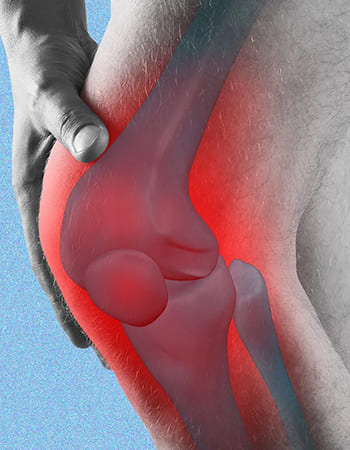
The knee joint is formed where two long bones meet. The top part of the joint is composed of the lower end of the thigh bone. The upper end of the shinbone aids it from below. At the time of any injury to either of these areas, movement is painful or restricted.

Other injuries involve a clear bone fracture. In other instances, the joint surface itself is affected. This is important because joint surface injuries act differently from simple fractures. This can also be in the form of ligaments or cartilage in many patients though this may not be obvious initially.

Orthopedic Hip Specialist

The way these injuries normally happen

Knee trauma is a common cause of road traffic accidents. The pressure that is passed across the leg usually goes straight to the knee. Falls from heights or falls on a bent knee also may result in injury.

Sports injuries occur in sudden twisting, awkward landings or direct impact. The bone strength among the older adults is weak; thus, a fall at home can cause a fracture. The manner in which the damage occurs usually provides the initial indicator concerning the severity of the damage.

Symptoms that are Observed by the Patients

After knee trauma, people usually notice more than one symptom.

  • Pain that increases when standing and walking

  • Swelling that may worsen over time.

  • Difficulty bending and straightening the knee.

  • The knees do not feel stable.

  • Bruising around the joint.

  • Pain while changing position.

  • Tenderness when the knee is touched.

  • Reduced strength in the leg.

  • Pains during climbing the stairs.

  • Pain that fails to decrease at rest.

These symptoms must not be ignored in case they persist well after the initial few days.

Orthopedic Hip Specialist

How the Injury Is Assessed

Evaluation begins with listening. It is important how the injury occurred, the type of movement that causes pain and whether one can bear weight or not. The physical examination is performed with caution particularly when the swelling is present.

When Surgery Is Not Needed

Some knee injuries can heal without surgery. When the bones remain aligned and the joint is stable, conservative treatment is often enough. The knee may be supported using a brace and weight bearing is reduced for a period of time.

Pain control is important early on. Gentle movement is introduced slowly to prevent stiffness. Physiotherapy focuses on keeping the muscles active without stressing the healing bone. Followup visits are necessary to ensure healing is progressing as expected.

When Surgery Is Required

Surgery is recommended when the fracture is unstable or when the surface of the joint is involved. Poor alignment can lead to long-term problems, including stiffness or early arthritis.

The process includes repositioning of the bone and fixation of the bone with plates or screws. It is not to recover fast but to heal properly.

Recovery Is a Process

Recovery does not end when pain decreases. The knee must take time to recover movement and strength. Physiotherapy normally starts after healing. Exercises are simple initially and become more difficult gradually.

Some patients recover faster. Others require more time, particularly following intricate injuries. Not going through rehabilitation usually results in a stiff or weakened condition that persists after healing of the bone.

FAQs

Can knee fractures heal without surgery?

Yes -Some can.

What is the average recovery time?

It is different in individuals.

Is it necessary for physiotherapy?

Yes -It plays a major role.

Can I walk during recovery?

Only as advised.

Are these injuries more common with age?

Yes -Especially after falls.

Book your appointment