Undergoing hip replacement is a crucial step toward achieving greater mobility and improving one's quality of life. If you are considering surgery, consulting a Hip Replacement Surgeon in Hyderabad can help you understand the procedure, recovery process and long-term care.
However, surgery is just one step in the process.
What will happen after hip replacement? After hip replacement surgery, follow-up care allows your orthopaedic specialists to monitor your joint, evaluate your rehabilitation progress, address any symptoms you may experience and recommend activities that can help you stay mobile in the long term
Most people assume that once the injury heals and they can walk without any problems, they no longer need regular checkups. Actually, an artificial hip joint can be expected to last for a long time but it does need proper monitoring.
Why Is Follow-up Care Important After Hip Replacement?
Hip replacement follow-up care allows monitoring of healing, functioning, mobility and possible complications.
The orthopaedic surgeon will be able to do the following during follow-ups:
- Assess your walking pattern and hip movement
- Examining muscle strength and flexibility
- Checking your pain and discomfort
- Examine the surgical area when necessary
- Monitor the position and condition of the implant
- Recommend X-rays or other tests
- Discussing your exercises
- Address concerns about daily activities
Follow-up care does not imply any problems with your hip joint. It is just a preventive measure to ensure proper functioning of your new hip joint.
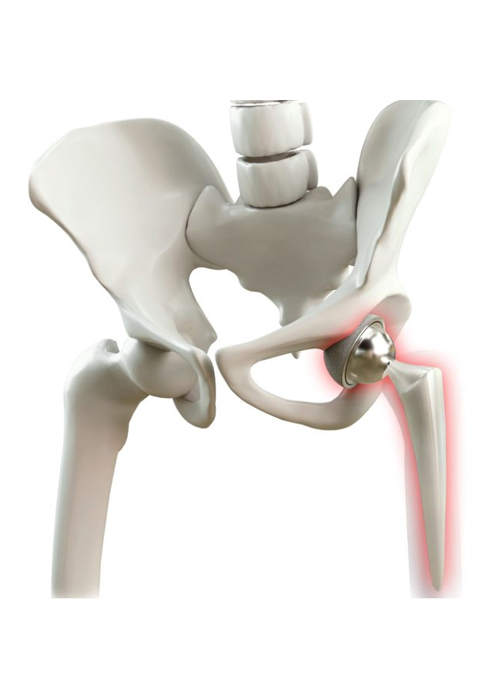
What to Expect During the First Six Weeks After Hip Replacement?
The first few weeks are crucial because your body needs time to heal and regain strength in the muscles surrounding your hip.
Your first check-up after surgery is usually scheduled within the first few weeks. There could be assessment of your wound, swelling, pain, walking ability and overall recovery.
You may be advised to:
- Use the walker, crutches or any other support until it is approved.
- Follow your prescribed physiotherapy schedule.
- Avoid movements restricted by your surgeon.
- Gradually start walking.
- Take the prescribed medications
Manage swelling according to your doctor's instructions.
What About Indian-style Toilets, Floor Sitting and Squatting?
Certain activities like sitting with crossed legs on the floor, deep squatting, use of Indian-style toilets or deep bending may have to be avoided during the initial stages of your recovery. These will depend on the type of surgery, the implant used, its stability and other factors.
How Long Can a Hip Replacement Last?
A hip replacement can function effectively for many years, though its longevity may vary depending on individual patient factors.
The durability of an implant can be influenced by several factors including:
- Type and design of the implant
- Age at the time of surgery
- Body weight
- Physical activity
- Quality of bone
- General health condition
- Surgical aspects
- Previous or future injuries
Hip replacements today are built to last as long as possible but the truth is that no surgeon or manufacturer can guarantee they will perform for a set number of years in every single patient.
Which Lifestyle Habits Can Help Protect Your New Hip?
Recovery is a process that extends well beyond your time in the hospital and the care and effort you put in after discharge plays a significant role in how well you heal. Several lifestyle factors affect the health of your joints.
- Keep Your Weight Healthy: Having a healthy weight can decrease the mechanical load applied to your hip during everyday activities.
- Stay Physically Active: Following the permission of your surgeon, participating in low-impact physical activities such as walking, swimming and cycling can be beneficial.
- Follow Your Exercise Plan: Continue the strengthening and flexibility exercises suggested by your physiotherapist or doctor.
- Avoid High-Impact Activities: After a hip replacement some activities that put the joint under stress through jumping heavy impact or sudden twisting may not be safe for every patients. Before resuming any sport after surgery your orthopaedic surgeon should always be consulted to ensure that the activity you are planning to return to is safe and suitable for your stage of recovery.
- Take Care of Your Bones: Diet and consumption of adequate amounts of calcium and vitamin D are essential for maintaining bone health.
What Signs After a Hip Replacement Should Prompt You to Contact Your Orthopaedic Doctor?
Not every pain necessarily means that something is wrong. But a new or a worsening pain cannot go unnoticed.
Consult your physician if you have:
- New or worsening hip pain
- Increasing swelling
- Warmth or redness around the surgery area
- Wound discharge
- Fever associated with the hip pain
- Sudden difficulty walking
- Worsening limping
- Instability in the hip joint
- Hip pain after a fall or injury
These conditions have various causes but they do not necessarily indicate a problem with the hip replacement implant.
Are You Able to Resume Normal Activities after Hip Replacement Surgery?
Yes. Many people can return to their normal daily activities after recovering from hip replacement surgery.
You may gradually return to activities such as:
- Walking
- Travelling
- Climbing stairs
- Driving
- Household activities
- Swimming
- Cycling
- other appropriate exercises
This will take different times for different people. You should resume specific activities based on your recovery, strength, balance and your physician’s recommendations.
Is Clicking or Mild Noise from an Artificial Hip Joint Normal?
Some patients may notice clicking sounds from the artificial hip joint. However, these symptoms may be experienced without any underlying problems.
When you experience the symptoms such as pain, swelling, instability or difficulty walking, it should be assessed by your doctor.
If you notice a persistent or unusual change in how your hip feels or functions, mention it during your follow-up rather than assuming it is normal.
Take the Next Step Towards Long-term Hip Health.
Your hip replacement treatment does not stop just because the surgical procedure is done. Appropriate follow-ups, exercises, good lifestyle habits and prompt medical care can help you take proper care of your joints. For professional advice on hip replacement, recovery or follow-up, visit the Best Orthopaedic Doctor in Hyderabad at Dr Kasha’s Clinic. You can get information about orthopaedic treatments from Dr Kasha and schedule a consultation that fits your requirements.
FAQs
How long does it take to fully recover from hip replacement?
Recovery varies between individuals. Many patients experience substantial improvement within the first few months, while strength, confidence and overall function can continue improving for longer. Your age, health, muscle strength, rehabilitation and type of surgery can all affect recovery.
Do I need follow-up appointments if my hip feels completely normal?
Yes. Your surgeon may recommend periodic follow-up even when you have no symptoms. These appointments help monitor your long-term recovery and implant condition.
Can I exercise after hip replacement?
Most patients are encouraged to remain physically active after recovery. Low-impact activities are often suitable but the right exercises depend on your individual condition and should be discussed with your orthopaedic team.
Can a hip replacement wear out?
Yes. Artificial joints can experience wear or other changes over time. Implant longevity varies between individuals, which is why long-term monitoring can be useful.
When should I seek medical advice after hip replacement?
Seek medical advice if you develop new or worsening pain, swelling, redness, wound discharge, fever, instability, difficulty walking or symptoms after a fall or injury.
Why Choose Dr. Srinivas Kasha?

Dr Srinivas Kasha is an experienced orthopaedic surgeon with over 15 years of experience in successfully performing Total Joint Replacement Surgeries
We offer the most advanced technology at a world class facility for right diagnosis & treatment care
By incorporating the most advanced techniques & technologies, we ensure best possible outcomes for all our patients.